
The titles sound different, but they mean the same thing. Here's what a licensed private investigator actually does — and when you might need one.

If you’ve ever typed “private investigator” into a search bar and then second-guessed yourself — wondering if you should have searched “private detective” instead — you’re not alone. It’s one of the most common points of confusion for people who have never hired one before. You want answers, you want them handled discreetly, and the last thing you need is to get tripped up on terminology before you’ve even made a call. So let’s clear this up right away, and then get into what really matters: what these professionals actually do, and what to look for when you need one in Phoenix, AZ.
Here’s the short answer: there is no difference. A private investigator and a private detective are the same professional, doing the same work, under the same license. The only reason the two terms exist is that different states use different language in their licensing statutes. Some states officially use “private detective” in their laws. Others use “private investigator.” Neither title carries more authority, more training requirements, or a broader scope of work than the other.
In Arizona, the Arizona Department of Public Safety handles licensing for this profession. Whether someone calls themselves a private investigator or a private detective, they’re working under the same regulatory framework, subject to the same requirements, and held to the same standards. The title is a matter of preference — or geography — not a meaningful distinction.

A lot of it comes from pop culture. Decades of movies, TV shows, and crime novels have painted two very different pictures. The private detective tends to show up in noir stories — a lone figure in a trench coat, working shady cases in dark alleys. The “private investigator” often gets portrayed as more clinical, more corporate, running background checks and surveillance from a distance. Neither image is particularly accurate, but together they’ve planted the idea that these must be two separate jobs.
There’s also a real source of confusion between a private investigator and a law enforcement detective. Those are genuinely different roles. A detective working for the Phoenix Police Department or another Arizona law enforcement agency has arrest authority, access to law enforcement databases, and operates within the jurisdiction of the department. A private investigator is a civilian professional hired directly by individuals, businesses, or attorneys. We don’t have arrest powers, but we do have something law enforcement often can’t offer: the time, focus, and flexibility to work a single case without competing priorities pulling in other directions.
This distinction matters more than most people realize. Law enforcement has limited resources and has to triage cases based on departmental priorities. When a family has questions that fall outside what the PD can pursue — whether it’s a missing adult, a civil matter, or a situation that doesn’t rise to the level of a criminal investigation — a licensed private investigator fills that gap. That’s actually one of the reasons this profession exists.
The terminology confusion, as harmless as it sounds, does create a real problem: it makes people hesitate. Someone who isn’t sure whether they need a “detective” or an “investigator” might delay reaching out, or talk themselves out of it entirely. That hesitation can cost time — and in cases involving missing persons or time-sensitive evidence, time is the one thing you can’t get back.
In Arizona, anyone conducting private investigations on a contract basis must be licensed by the Arizona Department of Public Safety. This isn’t optional, and it isn’t a formality. The licensing process includes a fingerprint-based background check, a minimum of three years of full-time qualifying experience before an agency license can be issued, and an application process that includes fees, a government-issued ID, and a passport-style photo. Applicants cannot have a felony conviction or be under felony indictment.
That’s a meaningful bar. It means that when you hire a licensed private investigator in Phoenix, AZ — regardless of what title they use — you’re working with someone who has been vetted by the state, has documented experience, and is operating within a regulated framework. You can verify any Arizona PI’s license status through the AZDPS public database. It takes about two minutes and gives you immediate confirmation that the person you’re considering is legitimate.
This matters because not everyone who advertises investigation services is licensed. Unlicensed investigators operate outside the regulatory system, which means no oversight, no recourse if something goes wrong, and — critically — no guarantee that the evidence they gather will be usable. Evidence collected through improper methods can create serious problems for your case. A licensed investigator knows exactly where those lines are, because our license depends on staying within them.
At Quantum Investigators, our PI License No. 1547944 is publicly listed on our website. You can look it up. That’s not something we mention to check a box — it’s a reflection of how we think every client deserves to be treated: with full transparency from the very first conversation.
Want live answers?
Connect with a Quantum Investigations expert for fast, friendly support.
This is where the real misconception lives. Most people associate private investigators almost exclusively with infidelity cases — a cheating spouse, a suspicious partner, someone who needs proof. And yes, that’s a significant part of what licensed investigators handle. But it’s a fraction of the full picture.
The range of investigative services available to individuals, families, businesses, and attorneys is much wider than most people realize. Understanding what’s actually possible can change whether you see a private investigator as relevant to your situation — or whether you dismiss the idea before you’ve given it a fair look.
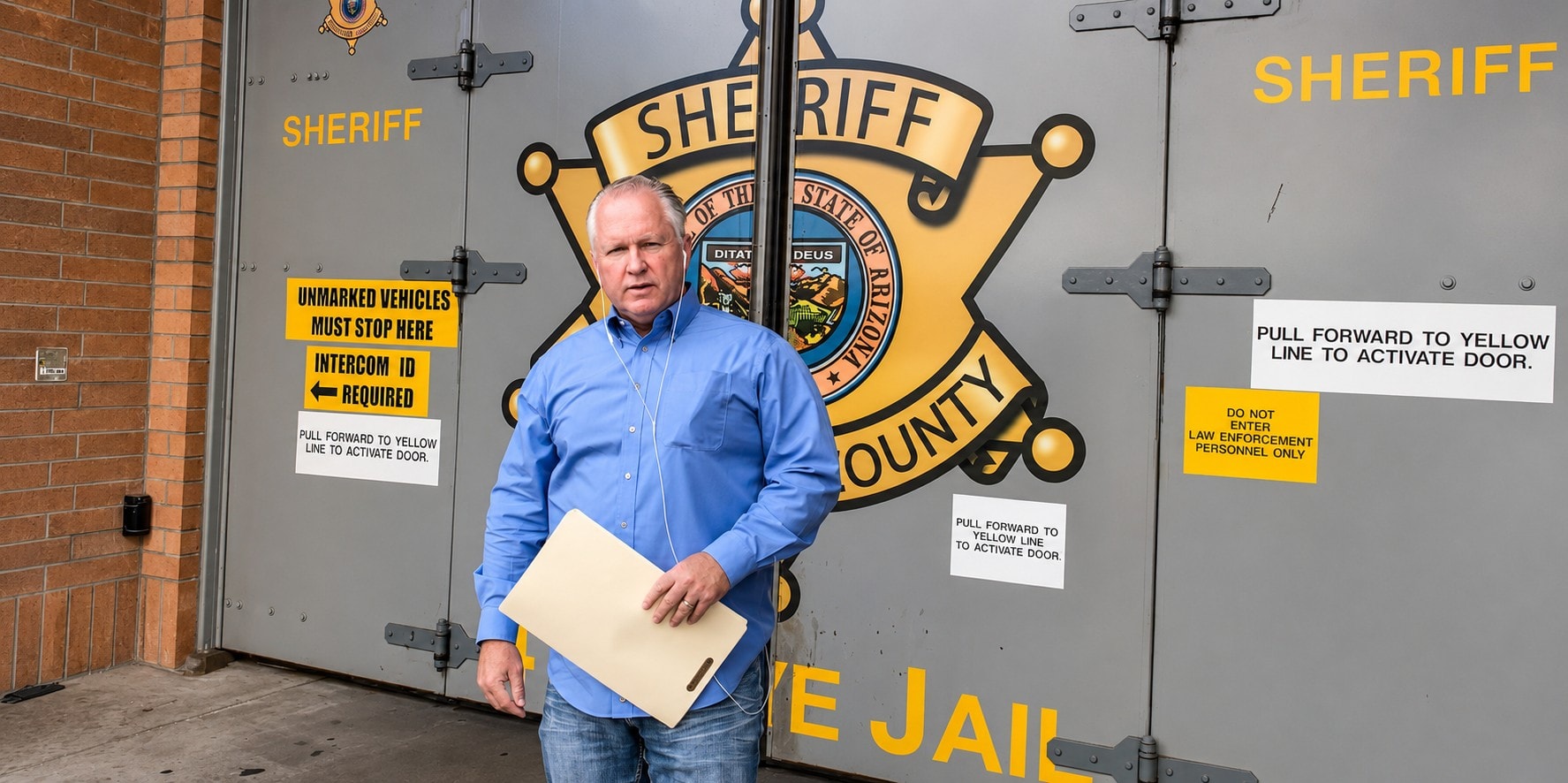
Surveillance is probably the service most people picture first, and it’s the largest single category in the profession for a reason. It covers a wide range of situations — from monitoring a spouse you suspect of infidelity, to documenting activity in a workers’ compensation or insurance fraud case, to keeping tabs on someone for personal safety reasons. Field surveillance requires patience, local knowledge, and the ability to work without being detected.
In a metro area as sprawling as Phoenix and Maricopa County, that local knowledge isn’t a small thing. We know the neighborhoods, the traffic patterns, the places where someone can observe without standing out. That matters when you’re trying to get accurate, usable results.
Missing persons investigations are another major area. When a family member goes off the grid — whether it’s a runaway teenager, an estranged adult relative, or someone who has simply disappeared — law enforcement may have limited capacity to pursue the case actively. A licensed investigator can dedicate focused attention to locating that person, following leads, conducting interviews, and working the case the way it deserves to be worked.
Criminal defense investigations serve a completely different client base: individuals facing criminal charges, and the attorneys representing them. Law enforcement builds the prosecution’s case. A private investigator working the defense side looks for what wasn’t found, what wasn’t followed up on, and what might change the picture. This kind of work requires a deep understanding of how investigations are conducted — which is exactly why a background in law enforcement can be such an asset on the defense side.
Background checks and due diligence serve both individuals and businesses. Whether you’re vetting a new business partner, checking on someone you met online, or making a significant hiring decision, a thorough background investigation surfaces information that a basic internet search simply won’t find.
Asset searches and recovery help locate concealed or hidden assets — relevant in divorce proceedings, business disputes, and debt collection situations. Fugitive recovery, witness location, and child custody investigations round out the picture. These are not niche services — they’re the everyday work of a full-service investigative agency.
The first thing to verify is the license. In Arizona, that means checking the AZDPS database and confirming the investigator’s license is active and in good standing. This step takes two minutes and tells you immediately whether you’re dealing with a legitimate, regulated professional or someone operating outside the system.
Beyond the license, experience and background matter — and not just years in business. The nature of that experience matters. An investigator who spent years on the streets with a law enforcement agency brings a fundamentally different skill set than someone who transitioned directly from an unrelated field. They understand how evidence is gathered, how it’s challenged, and what it takes to make it stand up. They’ve worked cases from the other side of the table, which means they know exactly what the other side is looking for.
Local knowledge is something that’s easy to overlook until you realize how much it matters. Phoenix is not a compact city. The metro stretches across hundreds of square miles, covering dozens of distinct communities from Surprise and Peoria in the northwest to Chandler and Gilbert in the southeast. An investigator who genuinely knows this area — its neighborhoods, its courts, its dynamics — operates differently than one who’s learning the market as they go.
You should also feel comfortable in the first conversation. A good investigator asks the right questions, listens carefully, and treats your situation with the seriousness it deserves. You’re sharing sensitive information about your life. That conversation should feel like the beginning of a working relationship built on trust — not a sales call. If something feels off, pay attention to that. The right investigator will make you feel heard before they ask you for anything.
At Quantum Investigators, every case starts with a free, confidential consultation. No commitment, no pressure. Just a straightforward conversation about your situation and what we can realistically do to help.
The title on the door doesn’t tell you much. What tells you something is the license number, the background, the years of real field experience, and whether the person across from you actually understands what you’re dealing with.
In Arizona, both “private investigator” and “private detective” point to the same licensed professional, regulated by the same state authority, working within the same legal boundaries. The terminology question has a simple answer. The harder question — and the more important one — is whether the investigator you’re considering has what it takes to handle your specific situation with the skill and discretion it requires.
If you’re in Phoenix, AZ or anywhere across Maricopa County and you’re trying to figure out your next step, Quantum Investigators is here to talk it through. The first conversation is free, and it stays between us.
Summary:
Article details:
Share:

