
Thinking about hiring a private investigator in Phoenix but not sure where to start? Here's what the process looks like, step by step.

Most people who search for a private investigator in Phoenix have never done it before. They’re not browsing out of curiosity; they’re dealing with something real. A spouse whose behavior has changed. A family member who’s gone missing. A business partner they can’t trust. Whatever brought you here, you deserve straight answers about how this process works before you commit to anything.
This guide covers what happens when you hire a PI in Phoenix, what Arizona law allows, and what to look for so you don’t end up with someone who takes your money and disappears. No fluff, just what you need to know.
There’s a wide gap between what people assume a PI can do and what a licensed investigator is authorized to do under Arizona law. Closing that gap before you hire anyone will save you time, money, and frustration.
A licensed private investigator can conduct field surveillance, locate missing persons, perform asset searches, document evidence for court proceedings, run background checks, and interview witnesses, all legally and with the kind of methodology holding up if the case goes before a Maricopa County judge. What we cannot do is access private phone records, bank accounts, or digital communications without legal authorization. The work is substantial, but it operates within clear legal boundaries.

A lot of people try to handle things themselves before they ever call an investigator. They follow their spouse, attempt to track a vehicle, or look into ways to monitor someone’s location. In Arizona, that can become a serious legal problem very quickly.
Under ARS §13-2923, GPS tracking or electronic monitoring of another person without consent can be considered stalking, unless you are a licensed private investigator. That’s not a technicality buried in fine print. It’s a real legal exposure carrying real consequences. If you’re caught conducting unlicensed surveillance, you could end up on the wrong side of a criminal charge while the person you were investigating walks away clean.
This is one of the most important reasons to work with a licensed PI from the start. A licensed investigator knows where the legal lines are, operates within them, and gathers evidence in a way that can be used in court, in custody proceedings, or in civil litigation. Evidence gathered through illegal means is not only inadmissible; it can actively damage your case.
Arizona also has specific laws around adultery. Under ARS 13-1408, adultery is classified as a Class 3 misdemeanor in this state. That gives evidence of infidelity, gathered legally by a licensed investigator, potential weight in Arizona legal proceedings, something that matters significantly in divorce and custody cases heard in Maricopa County family courts.
The bottom line is that the legal landscape in Arizona is specific, and it cuts both ways. A licensed PI protects you from inadvertently breaking the law yourself while building a case that stands up.
Arizona requires all private investigators to be licensed through the Arizona Department of Public Safety. Operating as a PI without a license is a Class 1 misdemeanor in this state, meaning unlicensed investigators are not just unqualified; they’re operating illegally. Before you hand over any sensitive information or sign anything, verify the license.
The Arizona DPS maintains a public license search tool at azdps.gov/services/public/licensing. You can search by the investigator’s name or company name and see their license number, current status, and any disciplinary history on file. It takes about two minutes, and it’s worth doing.
Arizona also requires PI agency owners to have completed at least three years of full-time qualifying field experience before they can be licensed. Licenses are valid for four years under ARS §32-2624(A), and agencies are required to carry a surety bond. There are no reciprocity agreements with other states, meaning a PI licensed in California, Texas, or anywhere else cannot legally work a case in Phoenix without an Arizona license. If someone tells you otherwise, that’s a red flag.
Our license number at Quantum Investigators is 1547944, which is publicly listed and verifiable through the Arizona DPS. We’ve maintained an active license throughout our more than two decades of operation in Phoenix, and we’d encourage you to check any investigator you’re considering, including us, before moving forward. Transparency on this point isn’t just good practice; it’s the baseline standard for anyone serious about doing this work professionally.
Want live answers?
Connect with a Quantum Investigations expert for fast, friendly support.
Knowing what happens after you make that first call removes a lot of the anxiety around hiring a PI. The process is straightforward, and a good investigator will walk you through every step before asking you to commit to anything.
It typically starts with a free consultation, which is a conversation where you explain your situation, ask questions, and get an honest assessment of what’s realistic. From there, if you decide to move forward, we outline an approach, discuss what information we need from you, and explain how we’ll document and deliver findings. The goal from day one is evidence that’s accurate, legally gathered, and useful to you.
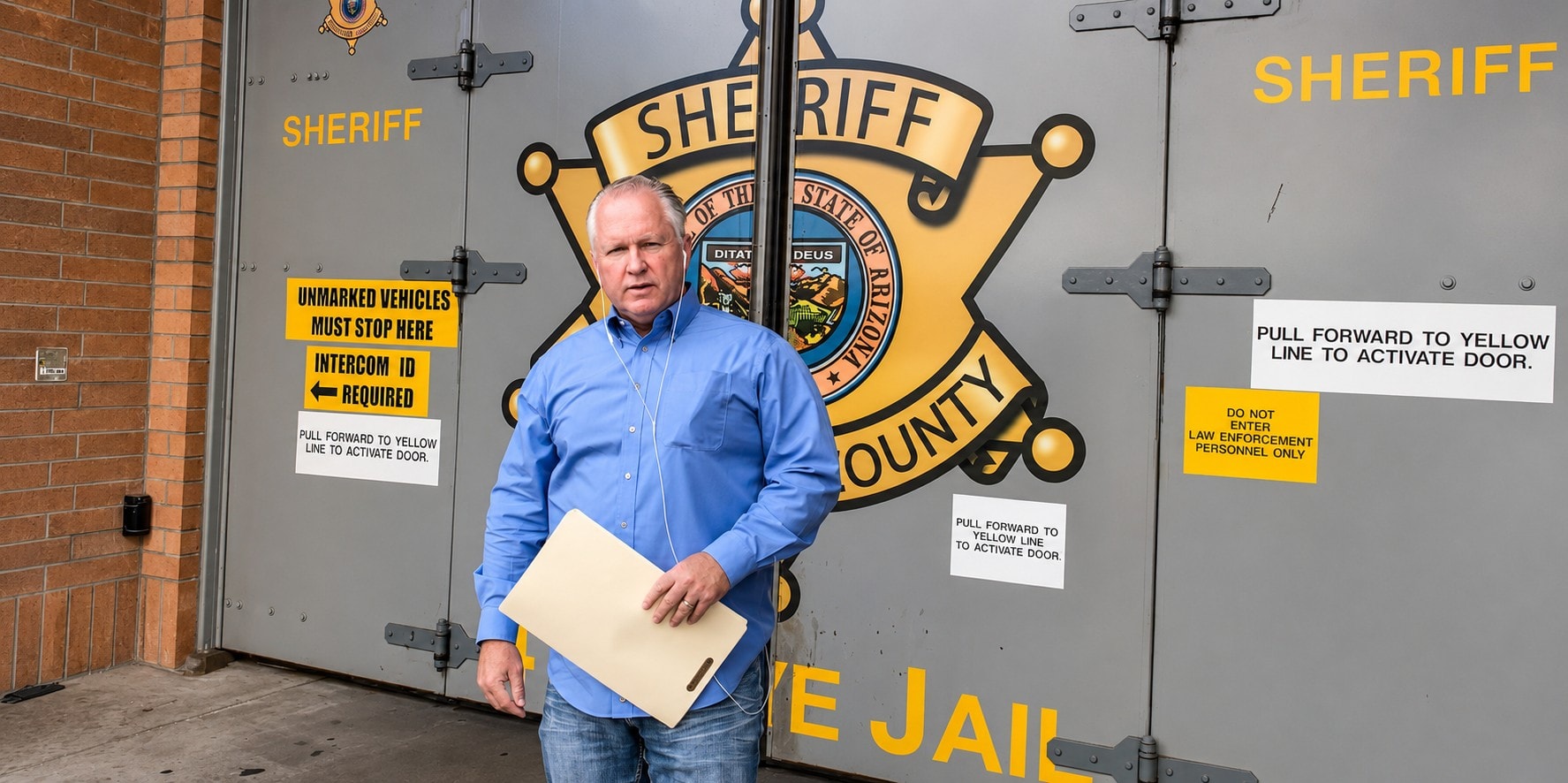
The first conversation you have with a private investigator sets the tone for everything that follows. A professional investigator will listen more than they talk. We ask clarifying questions about your situation, explain what we can realistically do, and give you a clear sense of how we’d approach the case without pressuring you to sign anything on the spot.
Come prepared with whatever details you have. For a cheating spouse investigation, that might mean your spouse’s general schedule, vehicle description, and any locations you suspect are relevant. For a missing person case, it means the last known location, any contacts the person had, and any relevant history. For an asset search, you’ll want to share what you already know about the person’s financial situation and why you believe assets are being concealed. The more context you can provide, the faster and more targeted the investigation can be.
You will be sharing sensitive, personal information in this conversation. You should feel comfortable with the investigator before you go any further. If something feels off, like if they’re vague about their credentials, reluctant to share their license number, or making promises that sound too good, trust that instinct and keep looking.
A good investigator will also tell you honestly if your case isn’t something they can help with. That kind of candor serves as a trust signal rather than a disappointment, meaning we’re not just taking cases to collect fees.
Not every PI is equipped to handle every type of case well. Some investigators specialize in corporate due diligence and background checks. Others have deep experience in field surveillance, infidelity cases, or missing persons work. The right fit depends entirely on what you need.
For infidelity and cheating spouse investigations, you want someone with genuine field surveillance experience, not a firm running a database search and calling it an investigation. Real surveillance in Phoenix means working in 110-degree summer heat on a grid street layout with limited natural cover. It requires patience, local knowledge, and the ability to move without being noticed. That’s a specific skill set, and it matters.
For missing persons cases, local knowledge is critical. A Phoenix investigator who knows the city’s neighborhoods, ranging from South Mountain to Ahwatukee to the downtown core, will work a missing persons case differently than someone who’s never set foot here. We know the geography, the resources, and how to move quickly when time is a factor.
For asset retrieval in a divorce or post-judgment collection situation, you need an investigator who understands how to document findings in a way satisfying Arizona court standards. Finding the asset is only half the job, as presenting it in a way holding up legally is the other half.
Our background at Quantum Investigators is rooted in former Phoenix Police Department experience and military service. Jeff Penrod, our founder, worked the streets of Phoenix as a police officer before building this firm, meaning when we conduct surveillance in this city, we’re navigating territory we know at a ground level. That’s not something a database can replicate, and it’s not something a recently licensed investigator can claim after a few months in the field.
If you’ve read this far, you’re dealing with something real and trying to make a smart decision before you act. That’s the right instinct.
The important steps are simple: verify the license, ask direct questions during the consultation, and make sure the investigator has experience with your type of case. Don’t let urgency push you past those basics. A few careful questions upfront can be the difference between getting the answers you need and spending money on nothing.
If you’re ready to talk through your situation, Quantum Investigators offers a free, no-obligation consultation. We’ve been working cases in Phoenix and across Maricopa County for more than two decades, and we’ll give you an honest read on what’s possible before you commit to anything.
Summary:
Article details:
Share:
