
If you've already called the police and hit a wall, you're not out of options. Here's what a missing person investigator can do and how the process works.
You’ve already made the calls. Maybe you filed a report. Maybe you searched every people-finder site you could find and got a list of addresses that stopped being accurate years ago. And now you’re here, wondering if a private investigator can do something different or if it’s just another dead end.
It’s a fair question. This page exists to answer it honestly. We’ve been doing this work in Phoenix for over two decades, and we know the questions people have before they pick up the phone. Here are the ones we hear most.
These two terms get used interchangeably, but they’re not quite the same thing. Skip tracing is the process of locating a specific individual, typically someone who has moved, gone off the grid, or is actively avoiding contact. It’s used in debt recovery, legal proceedings, family reunification, and plenty of situations that don’t involve a dramatic disappearance. The term comes from the idea that the subject has “skipped,” meaning they left without a forwarding address.
A missing persons investigation goes deeper. It involves building a picture of where someone was, who they were in contact with, what their habits and patterns looked like, and tracing that trail until it leads somewhere current. Both processes overlap significantly, and in practice, most cases involve elements of both.

This is the question we hear most often, and it’s usually asked by someone who has already been through the frustration of finding out the answer firsthand.
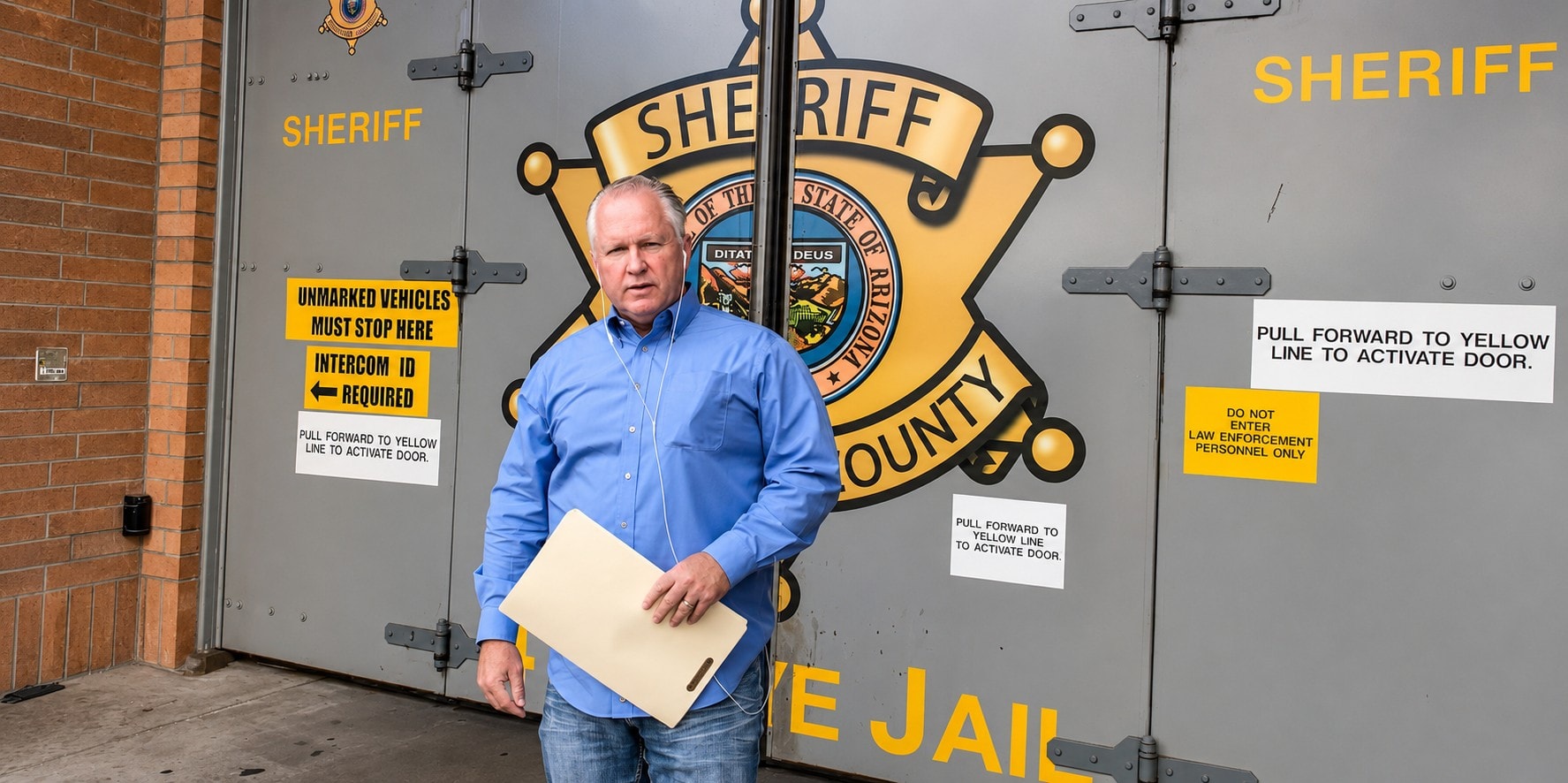
The Phoenix Police Department’s own published guidelines make it clear: in missing adult cases, the PPD’s role is limited to verifying the person’s welfare. That’s it. They will not reveal an adult’s whereabouts to the reporting party. They won’t pass on a message. They won’t actively search for someone who has chosen to leave. Their website explicitly states that private investigators can be hired for those services because the department itself cannot provide them.
That’s not a criticism of the PPD. It’s a legal and jurisdictional reality. Adults have the right to disappear. Law enforcement can’t pursue someone simply because a family member wants to know where they are. The Maricopa County Sheriff’s Office operates under similar constraints for cases falling outside Phoenix city limits.
This is the gap that we fill. We’re not bound by the same jurisdictional limits. We can dedicate focused time and resources to a single case in a way an overloaded police department cannot. Our founder Jeff Penrod spent five years as a Phoenix Police Department officer before starting Quantum Investigations, so we understand exactly how that process works from the inside, including which cases the department can act on, which ones they can’t, and how to work alongside them effectively when it makes sense to do both at the same time.
You don’t have to wait for law enforcement to hit a wall before calling us. In fact, working in parallel from the start often produces faster results.
No, and the difference matters more than most people realize before trying both.
Consumer people-finder tools pull from aggregated public records, such as old utility accounts, past addresses, voter registration data, and similar sources. The problem is that this data can be months or years out of date. Someone who moved twice in the last eighteen months, switched to a prepaid phone, and stopped using social media can disappear from those databases while living a normal life somewhere in the Valley.
What we do is fundamentally different. We cross-reference professional-grade databases that update more frequently and contain sources consumer tools can’t access. But more importantly, we get off the computer. We conduct interviews. We do field verification. We follow the trail from one person to the next, finding someone in regular contact with your missing person, then using that lead to get to the next one until we have something current and confirmed.
Phoenix’s size makes this kind of field work matter even more. The metro covers over 500 square miles. Someone can move from Glendale to Gilbert and be invisible to a basic database search if they haven’t updated their records. The Valley’s rapid population growth means addresses turn over constantly, so what was accurate eight months ago may point to a family that moved in after your subject left.
When clients come to us after exhausting consumer tools, they usually have a folder of outdated addresses and disconnected phone numbers. That’s a useful starting point for us because it tells us where the subject was and helps us build a timeline. The difference is that we don’t stop there.
Want live answers?
Connect with a Quantum Investigations expert for fast, friendly support.
Before hiring a private investigator, people have questions they’re not sure how to ask. What do you need to provide? What’s realistic to expect? What happens if the person doesn’t want to be found? These are good questions, and they deserve straight answers.
The following are the ones we get most often, answered as plainly as we can because the last thing you need when stressed is someone being vague with you.

Less than you probably think. A name and a last known address or city is often enough to begin. A phone number, a workplace, the names of close contacts, or a vehicle description help, but none are required before you can have a conversation with us.
A lot of people delay calling because they assume they don’t have enough to go on. That assumption costs time, and in Phoenix’s summer heat, time can matter more than in most other cities. When temperatures push past 115 degrees and someone is missing, especially if they’re elderly, have a medical condition, or are experiencing a mental health crisis, the situation can become life-threatening in hours. We’d rather hear from you early and tell you what we can work with than have you wait until gathering more information.
We offer a free consultation specifically because scoping a case requires a real conversation. You tell us what you know, we tell you what’s realistic, and we go from there. There’s no pressure and no commitment required to have that initial conversation.
One thing worth knowing is that we also ask questions during that consultation that most people haven’t thought to answer yet. Where did the subject work? Who were their closest contacts? Did they have any regular routines, like a gym, a church, or a bar they went to every week? This kind of contextual information is often more useful than a last known address because people’s habits tend to follow them even when their addresses don’t.
These are two separate questions, but they’re connected, so it’s worth addressing them together.
On the question of someone who has chosen to disappear: adults have the legal right to do that. We can locate them and confirm they’re alive and safe, but we cannot compel contact, force a reunion, or share their current location with a third party without their consent in most circumstances. What we can do is confirm their welfare, which is often the most important thing to a family needing to know the person is okay. If the situation involves potential foul play, we can document what we find and provide that to law enforcement, opening the door to a formal investigation.
On timeline, it depends heavily on the case. A subject with recent employment history, a current utility account, and an active social media presence can sometimes be located within 48 hours to two weeks. A subject who has deliberately removed themselves from public records, moved multiple times, or crossed state lines can take four weeks or longer. We won’t give you a number that sounds good but doesn’t reflect reality.
What we will do is keep you informed throughout the process. You won’t be left wondering what’s happening with your case. Arizona’s proximity to the border adds complexity to some situations, and the Valley’s seasonal population shifts mean some individuals split their lives between two states. We account for all of that.
No legitimate investigator guarantees outcomes. Anyone promising a specific result before knowing anything about your case is making an unbacked promise. What we can tell you is that we’ve been doing this work in Phoenix since 2006, that we’ve watched competitors come and go in this market, and that the clients who’ve worked with us consistently describe the experience as professional, thorough, and worth it.
If you’ve read this far, you’re probably not doing casual research. You’re dealing with something real, and you’re trying to figure out if hiring a missing person investigator will help.
The honest answer is that it depends on the case, which is why the free consultation exists. It’s a real conversation, not a sales call. You share what you know, we tell you what’s realistic, and if we’re not the right fit for your situation, we’ll tell you that too.
Quantum Investigations is a licensed, veteran-owned private investigation firm based in Phoenix, AZ, with offices on Central Avenue and in Mesa. If you’re ready to talk through your situation, reach out. The sooner you do, the more we have to work with.
Summary:
Article details:
Share: