
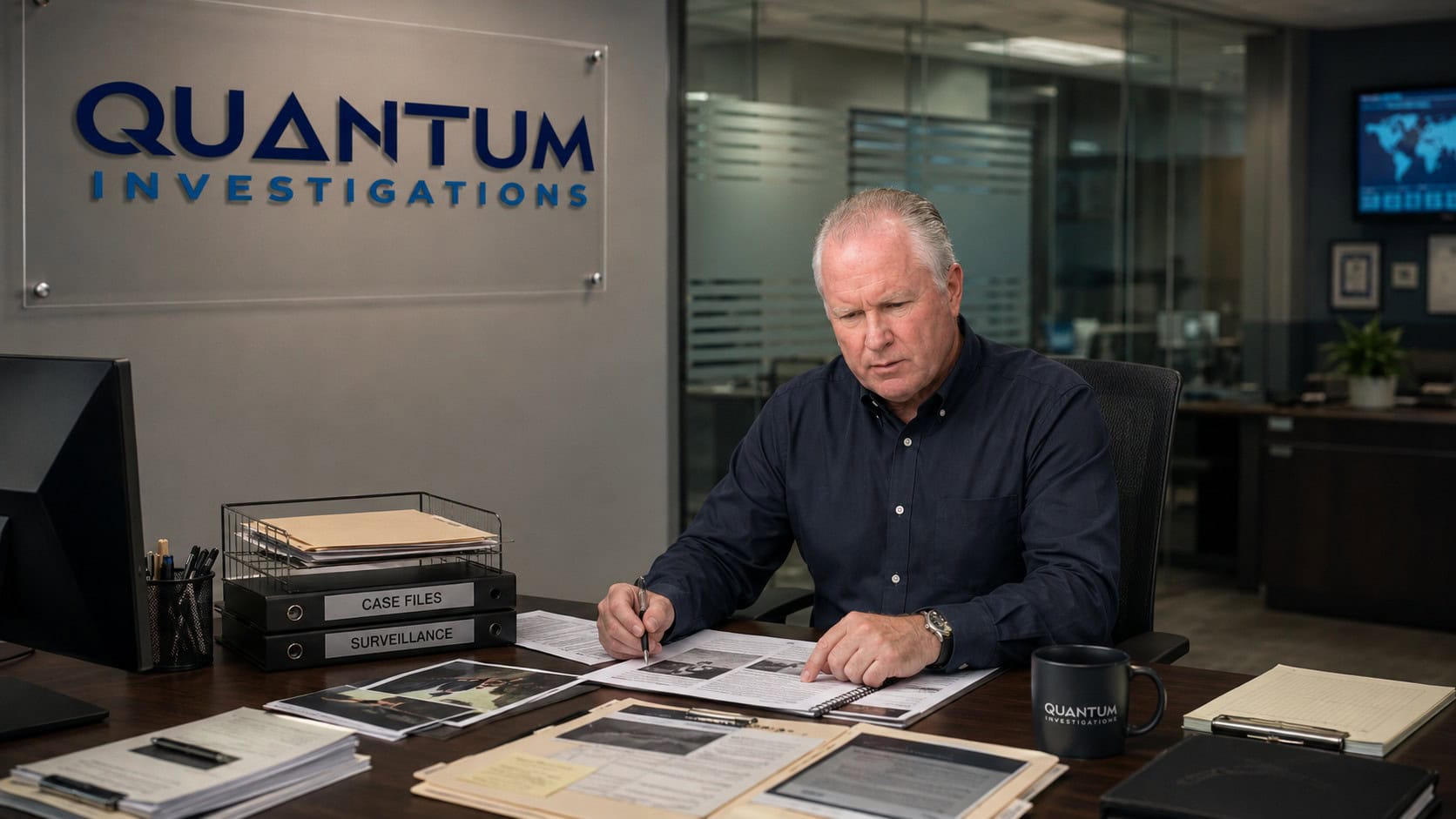
The trench coat and telephoto lens still have a place, but today's private detective work looks very different than most people expect.
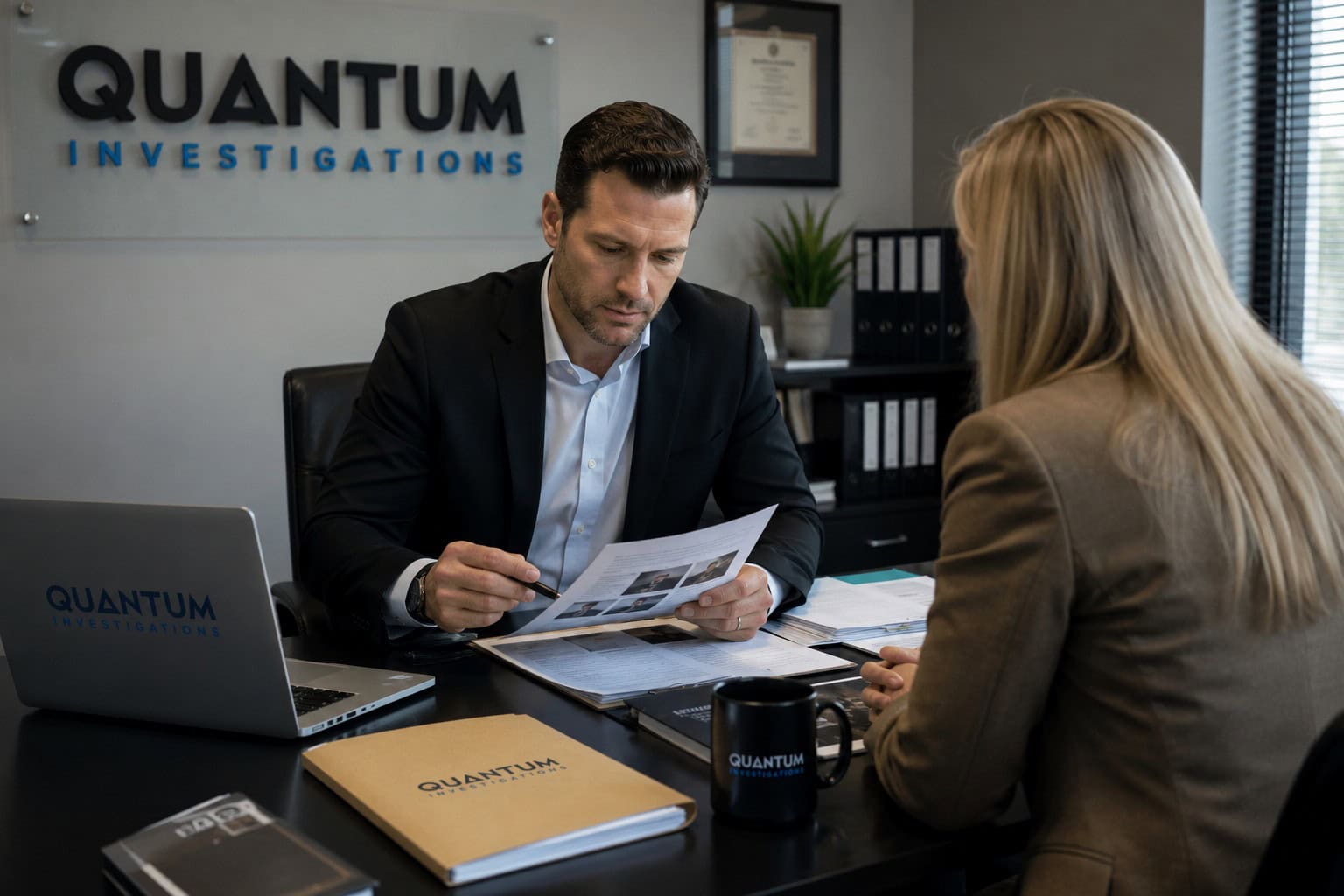
Most people picture a private detective the same way: parked down the street, sipping cold coffee, waiting for something to happen. That image isn’t entirely wrong, but it’s about twenty years out of date. The profession has changed significantly, and if you’re thinking about hiring an investigator in Phoenix or Maricopa County, understanding what modern private detective work looks like will help you ask the right questions and make a smarter decision. What follows is an honest look at how investigations have evolved, what digital surveillance really means in practice, and why the human element still matters more than any app or algorithm.
Not long ago, a private investigator’s toolkit was almost entirely physical consisting of a camera, a vehicle, a good pair of eyes, and patience. That still matters. But today, a significant portion of investigative work happens before anyone sets foot in the field.
Open-source intelligence, database research, social media analysis, and digital behavior mapping can tell an experienced investigator more in a few hours than a week of traditional surveillance ever could. We spend roughly 80% of our time on OSINT work pulling information from publicly accessible data, cross-referencing digital records, and mapping a subject’s behavior across platforms. That’s not replacing field work. It’s making field work sharper, faster, and more targeted. Our surveillance services can incorporate this research to help focus investigative efforts where they are most relevant.
Digital surveillance is one of those terms that sounds more technical than it needs to. At its core, it means using digital tools and data sources to build a picture of a person’s behavior, location, associations, and activity legally and in ways that produce evidence that can be used.
In practice, this might look like cross-referencing a subject’s social media presence across multiple platforms to identify patterns including where they go, who they spend time with, and when their story stops matching their behavior. It might mean running a subject through professional-grade databases that go far beyond anything a consumer background check website offers. It might mean analyzing digital footprints left behind through check-ins, tagged photos, payment records, or public filings that most people don’t realize are accessible.
There are over five billion social media users worldwide as of 2024. That’s five billion people leaving digital trails every day trails that a trained investigator can follow legally and methodically. The information is often hiding in plain sight. The difference between a professional and someone doing their own searching is knowing where to look, how to connect what they find, and how to document it in a way that holds up.
GPS-enabled tracking, remote monitoring, and encrypted case management tools have also changed the operational side of investigations. A subject moving between Scottsdale, Tempe, and Chandler in a single afternoon which is entirely routine in a metro area this size can be tracked and documented with a level of precision that traditional surveillance alone couldn’t reliably achieve. Maricopa County covers more than 9,200 square miles. Digital tools don’t get tired, don’t lose a subject in traffic, and don’t need a bathroom break.
That said, every one of these methods has legal boundaries. In Arizona, private investigators operate under Arizona Revised Statutes §32-2401 and are licensed through the Arizona Department of Public Safety. What a licensed PI can do legally is meaningfully different from what an unlicensed person attempting the same thing might stumble into. The legal line matters especially when the evidence is going to end up in a Maricopa County courtroom.
Here’s the misconception that causes the most problems: people assume that because information is digitally accessible, they can find it themselves. Some of it, sure. But there’s a significant gap between finding a few social media posts and building a documented, legally gathered, court-ready case file.
The tools matter less than the person using them. An investigator who spent years working cases with the Phoenix Police Department understands what evidence looks like when it’s presented in front of a judge. They know what chain of custody means, what documentation is required, and what a defense attorney will challenge. That background doesn’t come from a database subscription it comes from years of working real cases with real consequences.
The same applies to the field side of the work. Digital intelligence tells you where to look. A trained field investigator goes there, confirms what the data suggested, and documents it in a way that can’t be easily disputed. These two functions the OSINT analyst and the field agent work best when they’re coordinated by someone who understands both. Complex cases almost always require both.
There’s also the issue of what happens when someone tries to gather evidence themselves without understanding the legal limits. In Arizona, improperly obtained evidence can be challenged or thrown out entirely. Worse, the person who gathered it can face legal exposure. Using a licensed private investigator isn’t just about getting better results it’s about protecting yourself in the process. Arizona’s licensing requirements exist for a reason, and the public can verify any investigator’s license directly through the Arizona DPS website.
One more thing worth saying plainly: digital surveillance doesn’t mean the investigator never leaves the office. The firms getting real results are the ones doing both running the digital side and putting boots on the ground when it counts. Relying entirely on a screen is how you miss things that only show up in person.
Want live answers?
Connect with a Quantum Investigations expert for fast, friendly support.
Phoenix is one of the fastest-growing metros in the country. Maricopa County added more than 57,000 new residents between mid-2023 and mid-2024 roughly 173 people a day. That growth brings opportunity, but it also brings unfamiliar faces, new business relationships, and situations where people need information they can’t easily get on their own.
The demand for private investigation services here reflects that reality. Individuals, families, law firms, insurance companies, and businesses across the Valley regularly need investigators who can work quickly, work legally, and produce results that mean something.
Almost every case type benefits from combining digital intelligence with physical investigation though some more than others.
Infidelity and surveillance cases are the most obvious example. A subject’s digital behavior often reveals patterns that make physical surveillance far more efficient. Instead of following someone for days hoping they lead you somewhere meaningful, a trained investigator can identify likely locations, likely times, and likely contacts before ever leaving the office. The field work then becomes targeted confirmation rather than a blind search.
Child custody investigations follow a similar logic. When a custody arrangement is being violated or a parent’s behavior is in question, digital evidence including location data, communications patterns, and social media activity can build a timeline that supports or contradicts what someone is claiming in court. Maricopa County Superior Court handles a high volume of family law cases, and judges there expect documented, credible evidence, not screenshots from a personal phone.
Missing persons cases are another area where digital tools have changed the game. Following a person’s digital footprint consisting of financial activity, social connections, and location history can surface leads that physical searching alone would take weeks to find. The same applies to skip tracing and witness location work for attorneys building a case.
For corporate clients such as businesses conducting due diligence on a potential partner, an employer investigating internal fraud, or an insurance company examining a suspicious claim the digital layer is often where the most important information lives. Phoenix’s business boom has brought significant corporate investment to the area, and with it, a growing need for investigators who understand both the business context and the investigative methodology. Online fraud investigations have surged 77% since 2020 according to the Association of Certified Fraud Examiners, and corporate clients are increasingly looking for investigators who can work at that level.
People considering hiring a private investigator tend to have the same core questions. Here are the ones we hear most often, answered directly.
Can a private investigator legally use GPS tracking in Arizona?
Yes, with important conditions. A licensed PI in Arizona can use GPS tracking on a vehicle in certain circumstances, but the legality depends on who owns the vehicle and the specific situation. This is exactly the kind of question where talking to a licensed investigator first before you do anything yourself protects you legally.
What’s the difference between a private detective and a private investigator?
Nothing, practically speaking. The terms are interchangeable. “Private detective” is the older, more colloquial term. “Private investigator” is more common in legal and formal contexts. Both refer to the same licensed professional doing the same work.
How do I know if an investigator is licensed in Arizona?
The Arizona Department of Public Safety maintains a public license verification tool at azdps.gov. You can search by name or company and see license status, license number, and any disciplinary history. Any investigator who hesitates when you ask for their license number is a red flag. We encourage you to verify our credentials before we ever meet.
Can a PI access someone’s social media or private accounts?
A licensed investigator can legally access and document publicly available information including posts, check-ins, photos, and public profiles across social media platforms. Accessing private accounts without authorization is illegal, and we won’t do it. The value of professional OSINT work is that it finds what’s publicly available and organizes it into something usable, not that it crosses legal lines.
How long does an investigation take in Maricopa County?
It depends on the case type, the complexity, and what the subject’s behavior allows. Some asset searches or skip traces produce results within days. Surveillance cases tied to a specific court date may need to run for weeks. During a free consultation, we can give you a realistic picture of what your specific situation is likely to require.
Is everything confidential?
Completely. What you share, what we find, and the fact that you hired an investigator at all stays between us. That’s not a policy statement it’s how this work functions. Clients in sensitive situations, including attorneys working on active cases, trust us with information that can’t go anywhere else.
Private investigation has changed, but the core of it hasn’t: someone needs information they can’t get on their own, and they need it gathered legally, documented properly, and handled with discretion. What’s changed is how that work gets done and how much more capable a well-equipped, well-trained investigator is today than even a decade ago.
If you’re in Phoenix, Scottsdale, Mesa, Chandler, or anywhere across Maricopa County and you’re trying to figure out if hiring an investigator makes sense for your situation, the best first step is a conversation. Not a commitment, just a conversation. You’ll walk away knowing what’s realistic, what’s legal, and what the process looks like.
We’ve been doing this work in Arizona for more than 23 years. Reach out, and let’s talk through what you’re dealing with.
Summary:
Article details:
Share: